
Optimal Timing for Storm Restorations
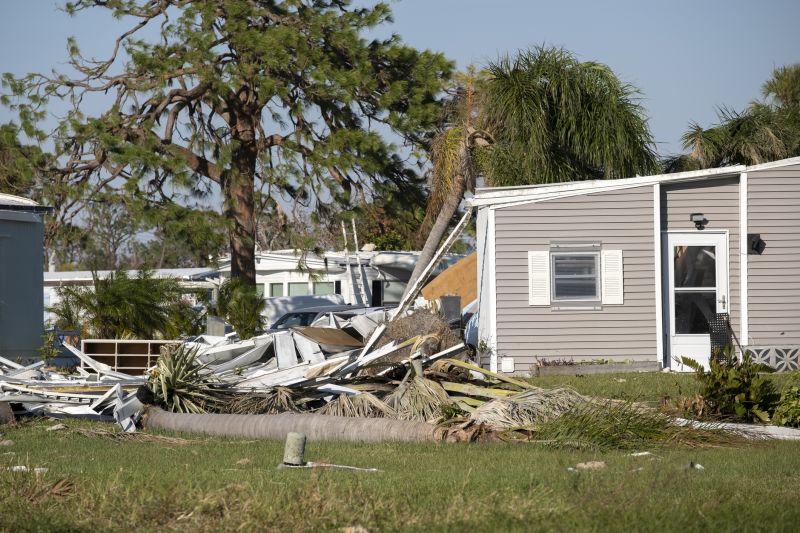
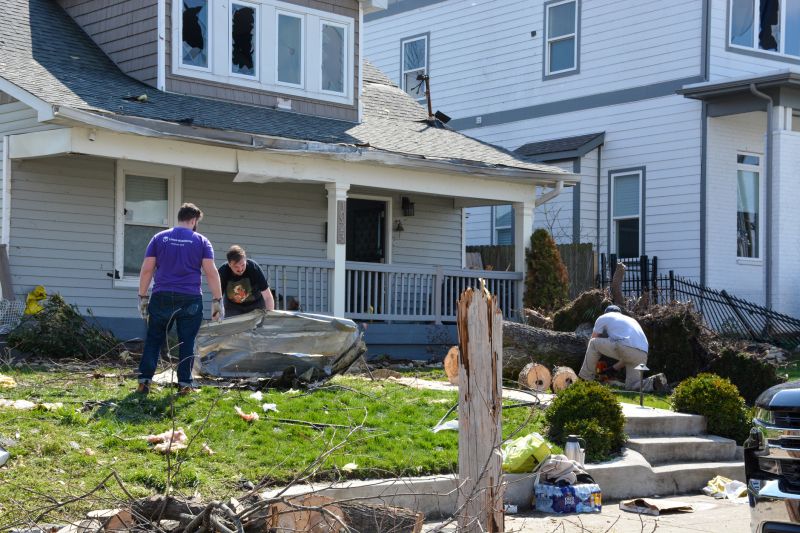
Storm restorations are most effective when performed promptly after storm events to address damage and prevent further issues. The optimal time varies based on regional climate patterns, storm frequency, and weather conditions. Typically, the period following severe storms or hurricanes offers the best window for repairs, ensuring structures are restored before additional weather events occur.
Conducting inspections immediately after a storm helps identify damage early, facilitating timely restorations.
Dry weather and mild temperatures are ideal for storm restoration work, allowing for safer and more efficient repairs.
Late spring through early fall often presents the best conditions for storm restorations in many regions.
Being prepared and acting quickly during storm season minimizes damage and restoration costs.
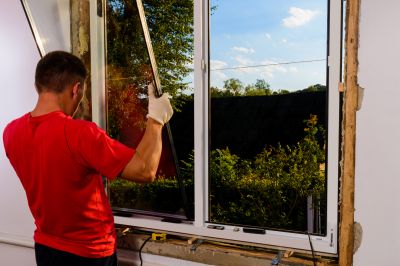
Ways to make Storm Restorations work in tight or awkward layouts.
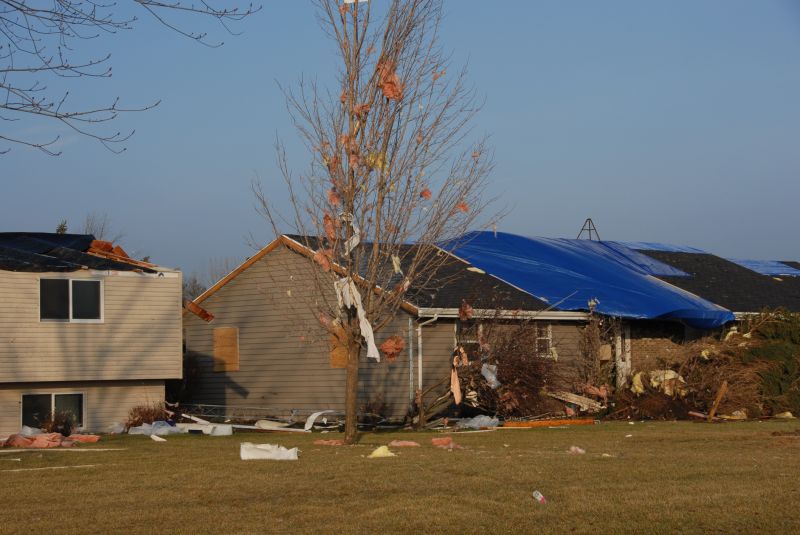
Popular materials for Storm Restorations and why they hold up over time.
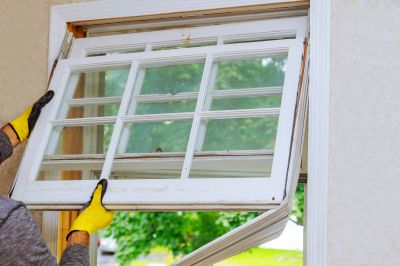
Simple add-ons that improve Storm Restorations without blowing the budget.
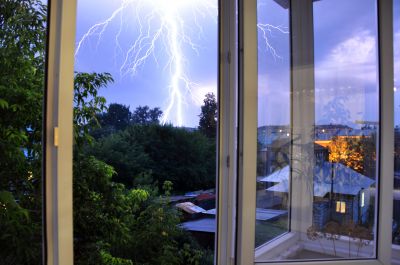
High-end options that actually feel worth it for Storm Restorations.
Finishes and colors that play nicely with Storm Restorations.

Little measurements that prevent headaches on Storm Restorations day.
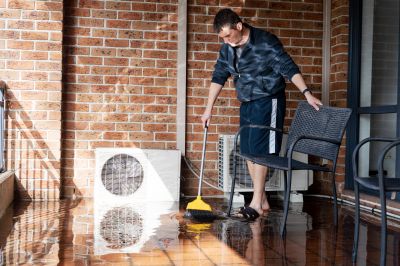
Storm restorations involve repairing and restoring structures damaged by severe weather events. Proper timing ensures that damage does not worsen and that repairs are completed efficiently. Immediate action can prevent secondary issues such as water intrusion, mold growth, and further structural deterioration. Regular maintenance and inspections before storm seasons can also help identify vulnerabilities and prepare properties for potential damage.
Statistics indicate that timely storm restorations can significantly reduce repair costs and minimize downtime. In regions prone to frequent storms, proactive measures and quick response times are essential for effective damage mitigation. Proper planning and awareness of seasonal weather patterns contribute to better outcomes and long-term property preservation.
A 60-second routine that keeps Storm Restorations looking new.

A frequent mistake in Storm Restorations and how to dodge it.

Small tweaks to make Storm Restorations safer and easier to use.
Lower-waste or water-saving choices for Storm Restorations.
| Aspect | Details |
|---|---|
| Optimal Timing | Immediately after storm events for best results. |
| Weather Conditions | Dry and mild weather preferred. |
| Regional Climate | Varies based on location and storm season. |
| Response Time | Faster response reduces secondary damage. |
| Seasonal Factors | Late spring to early fall often ideal. |
| Inspection Frequency | Regular inspections before storm season. |
| Damage Prevention | Proactive maintenance minimizes risks. |
| Cost Savings | Timely repairs reduce overall expenses. |